
Dental Implants – North Dallas, TX
Strong, Lasting Tooth Replacements
When you lose an adult tooth, it doesn’t just impact your smile visibly. Without the root to stimulate its growth, the jaw bone begins to deteriorate and change shape, appearing saggy and older. Over time, the jaw bone weakens, which potentially leads to more tooth loss. Traditional replacement methods don’t address these problems, but dental implants do! By restoring the entire tooth structure, Dr. Lee can use dental implants in North Dallas, TX to stop these negative outcomes of tooth loss and help you regain a smile that you’ll be proud to show in any situation. Contact us to get started today!
Why Choose Sunny Smile Dental for Dental Implants?
- Highly Trained Dentist Who Performs Implant Placement
- Sedation Options Available
- Friendly, Welcoming Dental Team
What Is a Dental Implant?
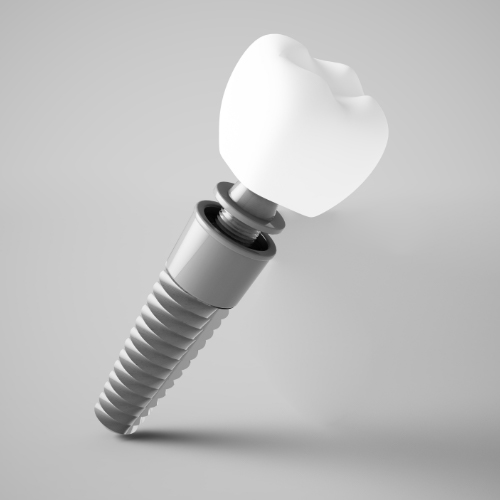
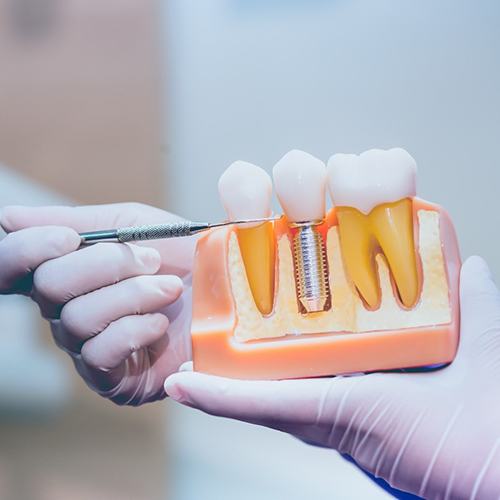
Like a natural tooth, a dental implant runs deeper than the gums’ surface. The post acts as a root and promotes new bone growth in the jaw to surround the implant. On top, a porcelain dental prosthetic replaces the missing crown portion, helping the tooth appear and function just as it did before. Basically, when it comes to tooth replacement, no other option is as comprehensive and effective as dental implants.
The 4-Step Dental Implant Process

Dental implants offer all sorts of unique benefits that you can’t get with other tooth replacement options. This includes additional stability, longevity, and comfort. To achieve this, dental implants require a unique multi-step process that takes place over several months. Everyone’s treatment looks a little bit different, but here are the four main steps everyone can expect.
Initial Dental Implant Consultation

The first step when getting dental implants is attending an initial consultation. During this time, we will examine your smile and discuss your medical history to ensure that dental implants are a good option for you. Some patients need to have preliminary procedures, like gum disease treatment or bone grafting, before they are able to get implants. If any of these apply to you, we will help you get them scheduled. Once your gums and jaw are in good shape, we will move forward in planning the rest of your treatment.
Dental Implant Surgery
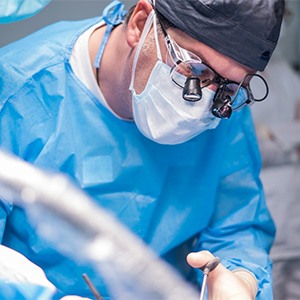
Other dental offices in North Dallas only handle the restoration stage of the dental implant process, sending patients to specialists for implant placement. Dr. Lee has the skills and advanced training to perform every step in our dental office, which means that you don’t have to waste time traveling to different dental offices. After numbing the area with a local anesthetic and providing sedation (if needed), an incision is made into the gum tissue. Each dental implant is placed at a precise location and angle for optimal success. Then, the gums are closed, and protective caps are placed over them to keep them safe throughout the healing process.
Dental Implant Osseointegration & Abutment
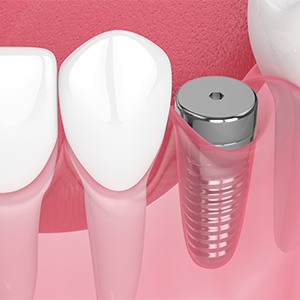
After your surgery, there is a recovery period that can take anywhere from three to six months. During this time, the “osseointegration” process takes place. This is when the dental implants fuse to the jawbone. Once this is complete, you will need to undergo another small procedure in which we attach small connector pieces to the ends of your implants. These are called abutments. Impressions are also taken so your restoration can be personalized just for you at the dental lab.
Delivery of Dental Implant Restoration(s)

Once we’ve received your restoration(s), you will need to return to our dental office. Dr. Lee will attach your restoration(s) to your dental implant(s) leaving you with your beautiful, complete smile! If everything looks and feels great, you are free to show off your new pearly whites to the world!
Benefits of Dental Implants

If you are ready to face tooth loss head-on, but aren’t sure whether or not dental implants are the best choice for you, you might find it helpful to learn a few of the noteworthy benefits that they offer. Fortunately, this next section is dedicated to just that! In it, we’re covering the day-to-day, health, and long-term advantages of this state-of-the-art tooth-replacement option.
Day-to-Day Benefits

Dental implants are often chosen over other tooth-replacement solutions because:
- They Are Extremely Lifelike – While dentures rest against your gums, dental implants get their strength from your jawbone. This provides added security and confidence, removing the worry that your artificial teeth could slip or come out when you don’t want them to.
- They Restore the Strength of Your Bite – Since dental implants are secured to your jawbone and crafted from only the best materials, they restore significantly more of your natural biting strength, enabling you to enjoy all of your favorite foods.
- They Can Help You Enunciate Clearly Again – Simply put, it’s difficult to enunciate clearly with gaps in your smile. The good news is that dental implants can replace one, a few, or an entire arch of missing teeth, restoring your normal speaking patterns in the process.
Health Benefits

In addition to improving your self-esteem, dental implants in North Dallas can improve your oral and overall health because they:
- Preserve Your Jawbone – As we mentioned above, dental implants are inserted into your jawbone. So, when you chew, it gets stimulated. This helps prevent bone loss and maintain a strong bite throughout the years.
- Are Easy to Maintain – While other tooth-replacement solutions require special cleaning products, that’s not the case with dental implants. In fact, you can use all of the same best practices that you use to care for your natural teeth, starting with brushing your teeth for two full minutes each morning and evening.
- Prevent Dental Drift – Unfortunately, even just one missing tooth can throw off the entire alignment of your bite. So, it’s important that we fill any gaps in your smile with dental implants sooner rather than later!
Long-Term Benefits

Patients and dentists also love dental implants because they come with several long-term benefits, including:
- They Have a High Success Rate – Dental implants have an impressive success rate of over 95%. Throughout the process of rebuilding your smile, we will guide you through what you can do to minimize your risk, like avoiding all tobacco products.
- They Can Preserve Your Youthful Face Shape – Oftentimes, patients who are struggling with tooth loss look older than they really are. If this sounds all too familiar, then you’ll be happy to hear that dental implants can replace any number of teeth while also preventing bone loss.
- They Have a Long Lifespan – With proper care (i.e., brushing your teeth twice a day, wearing a mouthguard during sports, scheduling a dental cleaning every six months), dental implants can last for 30 years or more.
Are Dental Implants Right For You?

In order to qualify for dental implants, you need to have a healthy mouth in general and enough jaw bone to support the implant. Your eligibility, however, does not depend on how many teeth you’ve lost. Whether your smile is missing just one tooth or an entire arch, we can adapt implant treatment to meet your unique needs. During your consultation, Dr. Lee will closely examine you and explain your options and the implant process.
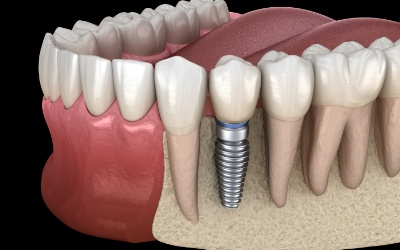
Missing Single Tooth
Replacing one lost tooth entails using one implant post and one prosthetic dental crown. The post is surgically placed into the socket and jaw bone and then allowed to heal before the crown is placed. The implant stands independent of the teeth around it, meaning that these teeth don’t have to be reduced or used for support, such as with a bridge.
Missing Multiple Teeth
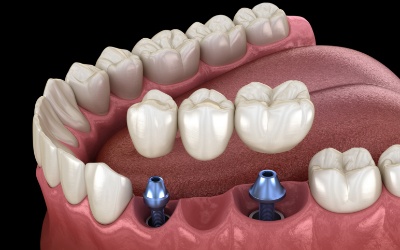
For two or more missing teeth, you have a couple of replacement options. Using just a couple of implants in strategic spots, we can hold a partial denture in place without having to clasp onto the surrounding teeth. Patients with consecutive missing teeth can anchor a dental bridge to implants to fill in the gaps.
Missing All Teeth
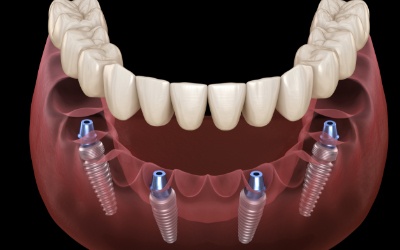
Have you suffered total tooth loss? No problem! Dr. Lee can certainly replace an entire arch of missing teeth with only four to six implant posts to hold a full denture firmly in place. With the implants providing a healthy foundation, your full dentures can last significantly longer and give you up to 70 percent of the biting power you used to enjoy.
Start to Finish Convenience

Other dental offices in North Dallas only handle the restoration stage of the dental implant process, sending patients to specialists for the implant placement. On the other hand, Dr. Lee has the skills and advanced training to perform every step in our dental office, which means that you don’t have to waste time traveling to different dental offices. You can get all the care you’ll need right here in one location with the same friendly, knowledgeable dental team.
Understanding the Cost of Dental Implants
When you’re considering the different potential methods to replace your missing teeth, cost plays an important role. Dental implants tend to be pricier than other restorations like dentures or dental bridges but with good reason. They’re the only option that’s surgically inserted directly into your jawbone for added strength and resilience, but this does come with some additional fees. However, they also last longer than the alternatives and come with additional benefits.
Continue reading to learn more about what impacts the total due for your dental implants, and feel free to contact us if you have additional questions.
Preliminary Treatments & Dental Implant Surgery
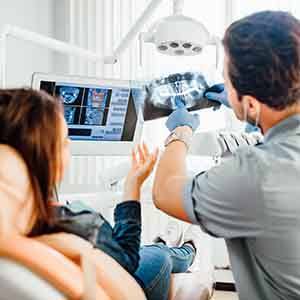
Before you can get dental implants, you must have a consultation with Dr. Lee. During this appointment, she’ll examine your dental condition to ensure that you’re a good candidate for the procedure. If you’re not initially, don’t worry. In some cases, additional treatments must be completed for you to continue.
For example, gum disease can lead to an infection at the implant site, so our team will work with you to clear it up first. You must also have sufficient jawbone density, which sometimes requires a bone graft before you can move forward. Every additional procedure comes with its own fees that will contribute to your final payment.
The Parts of Your Dental Implant
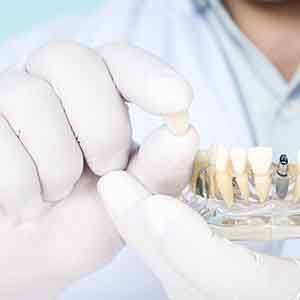
Your dental implant is made of a titanium support rod, an abutment that attaches to your prosthetic, and then the restoration itself. These pieces can be made differently, which impacts the pricing. Some additional factors that influence the overall rate include:
- How many are required. If you need 4 to 6 artificial teeth, you’ll pay more than someone receiving 1 or 2.
- What they’re made from. Some providers use zirconia instead of titanium poles, which can be more expensive.
- The brand name. Different manufacturers make replacement teeth that cater to different types of patients at varying price points.
- The type of restoration. Dental implants usually anchor a dental crown, bridge, or dentures, and each has its own pricing structure.
How Dental Implants Can Save You Money

Many patients hesitate to get dental implants once they realize these artificial teeth tend to cost more upfront than dentures or dental bridges. As eager as you may be to refurbish your smile, it’s natural to want to avoid overspending. It’s worth noting that although they can be more expensive, they usually tend to last longer, too. In time, they could more than pay for themselves.
For example, dentures are a more cost-effective restoration, but they’re less durable. The acrylic base can be more easily damaged, broken, dislodged, or warped. It’s not uncommon for them to need to be relined or replaced every 5 years or so, which can add up over time. Meanwhile, dental implants are stronger and can last 30+ years with the right care, which can save you money in the long run.
Does My Dental Insurance Cover Dental Implants?

Many insurance policies only cover a portion of the total owed for dental implants, while others don’t have provisions for them at all. Because every plan is different, it’s worth checking the details of what’s included in yours.
If you’re unsure or have challenges finding the information, please let our friendly office staff know. They’re familiar with many different insurance providers and are happy to help you maximize your benefits or submit paperwork on your behalf.
Making Dental Implants Affordable
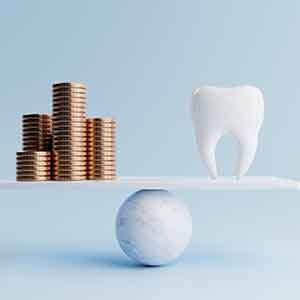
If your dental insurance doesn’t cover your replacement teeth or if you’re uninsured, don’t worry! We’ve got your back. We know that not everyone can afford dental implants upfront, so we have partnered with CareCredit. Working with this third-party financer allows you to break down your total invoice into more manageable installments if your application is approved. That way, you can restore your smile’s appearance and functionality without breaking the bank!
Dental Implant Post-Op Instructions
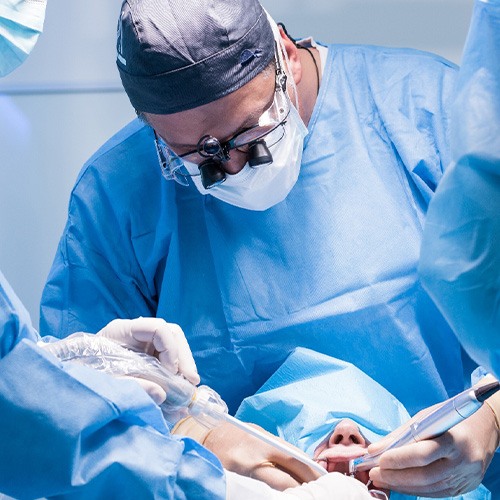
The dental implant procedure has an incredibly high success rate of over 90%, but it’s still possible to develop complications if you don’t take the necessary precautions after undergoing oral surgery.
Dr. Lee and the rest of our team will provide detailed instructions for you to follow that are intended to help you recover as quickly and effectively as possible while avoiding potential issues, such as peri-implantitis, the leading cause of failure. Continue reading to learn more about recommended ways to care for yourself correctly following treatment!
What to Do Directly After Dental Implant Surgery
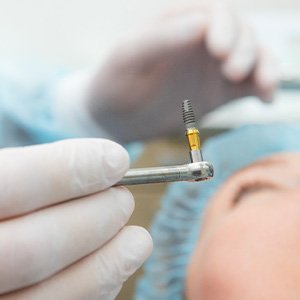
Our team will numb your mouth and/or provide sedation to help you feel calm and comfortable throughout your procedure, so you likely won’t have to worry about possible discomfort or other symptoms until the medications wear off.
Then, your mouth must form a blood clot at the surgical site for it to heal correctly and several post-operative instructions are intended to help protect and preserve it, such as:
- Swallow saliva or dab it with tissues rather than forcefully spitting it out.
- Drink plenty of water, but directly from a glass or cup, because the force of suction from using a straw can harm the clot.
- Avoid smoking or using tobacco products, which suppress your immune system and harm your dental health.
- Try not to touch the implant post with your tongue, fingers, or other objects.
Common Side Effects When Recovering from Dental Implant Placement

Understanding what’s considered normal as you heal can help you determine when you might need to reach out for help during recovery. For instance, most patients can expect to experience the following:
- General discomfort at the surgical site, which can often be addressed with over-the-counter medications, such as acetaminophen or ibuprofen, or by applying a cold compress for a temporary numbing reprieve.
- Swelling and inflammation that might be alleviated with an ice pack or rinsing your mouth gently with a solution of salt water.
- Intermittent bleeding, especially when changing out your gauze, which should eventually stop on its own.
Your Diet After Dental Implant Surgery

It’s normal to feel tender and sore for a few days or weeks after implant placement, and sticking to softer, blander foods can help avoid irritating your already-tender teeth and tissues. Some popular options include:
- Yogurt
- Pudding
- Blended fruit smoothies
- Scrambled eggs
- Mashed potatoes
- Applesauce
- Softly cooked pasta
Then, it’s often safe to resume eating more solids when you feel comfortable, keeping in mind that anything too hard, sticky, or crunchy might damage your restoration until it’s fully recovered.
Post-Op Health & Oral Hygiene

The leading cause of failure, peri-implantitis, occurs when germs in your mouth penetrate and infect the surgical site. This can thankfully be avoided by taking the following preventive measures:
- Rinse your mouth with salt water in the first 24 hours to naturally disinfect and soothe the area.
- Brush and floss as normal when you feel ready, taking care not to press floss so deeply into the pocket of your prosthetic that the protective seal is damaged.
- Avoid using mouthwash or other products containing alcohol, which can be irritating.
What to Do After Your New Teeth Are Attached
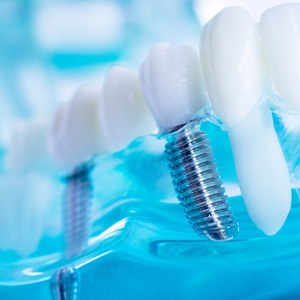
Once your jaw has fully fused with your implant, Dr. Lee can attach your lifelike restoration to the post. Although some patients develop mild sensitivity caused by dental cement, this step in the process is usually incredibly straightforward and doesn’t require additional needles or numbing.
If you notice any bleeding, aches, or inflammation once your new tooth is placed, please contact our office and let us know so we can ensure that your mouth is healing as intended.
Dental Implant FAQs
Do you have a few questions you’d like answered before committing to dental implants in North Dallas? You’re not alone. If you’d like to speak directly with our fantastic staff, we encourage you to contact our office. On the other hand, if you’d like a bit more information before giving us a call, we’ve listed a few frequently asked questions (and their answers!) below.
What Is the Success Rate of Dental Implants?
Thanks to innovations in dentistry, modern technology, and the latest techniques, dental implants today have a whopping 95% success rate. To preserve this impressive statistic, Dr. Lee and our team go to great lengths to qualify candidates beforehand. By ensuring that patients have healthy gums, adequate bone density, and a commitment to good oral habits, we can set up the procedure for the highest likelihood of success in the short and long-term.
How Long Do Dental Implants Last?
With proper care, dental implants can last 20+ years. To prolong the lifespan of yours, there are a few best practices you should implement following your procedure. First, employ a solid dental care routine, including brushing twice a day, flossing daily, and using mouthwash regularly. Next, commit to visiting our office every six months for a professional checkup and cleaning. That way, we can keep an eye on the condition of your dental implant, remove stubborn plaque and tartar, and clean every nook and cranny of your mouth. Lastly, avoid poor dental habits that compromise your oral health, like smoking, chewing on ice, and biting your nails.
Are There Any Foods I Should Avoid with Dental Implants?
Fortunately, the high-quality materials dental implants are crafted from are incredibly durable. However, like your natural teeth, there are certain foods that can cause them to break or fracture. Therefore, it’s best to be cautious with tough foods, like unpopped popcorn kernels, nuts, and hard candy. We also don’t recommend chewing on other potentially dangerous items, like ice and pen caps.
Will My Dental Insurance Plan Cover the Cost of Dental Implants?
The answer to this question really depends on the fine print of your dental insurance. If you need help understanding your coverage, don’t hesitate to ask our team! We’d be happy to file a claim on your behalf and maximize your benefits to the fullest. If your plan doesn’t cover dental implants, then low-to-no interest financing through CareCredit may be the best option. Don’t worry – we will do our best to make the process as seamless as possible.
Are you ready to make an appointment with our cosmetic dentist in North Dallas and take the next step toward a full, healthy, beautiful smile? Don’t hesitate to contact our office to schedule your initial consultation!